Composite bonding is not suitable for everyone. The main groups who cannot or should not get composite bonding include people with active gum disease or tooth decay, those with severe bite misalignment or malocclusion, individuals with bruxism (teeth grinding), heavy smokers or those with staining habits, patients with unrealistic aesthetic expectations, and anyone seeking a long-term, low-maintenance cosmetic solution. In most cases, these issues should be treated first, after which composite bonding may become viable.
What Happens If You Ignore Suitability For Composite Bonding?
Composite bonding can look fantastic when it’s carried out on healthy teeth with the right foundation underneath. However, when underlying issues are ignored, problems often appear much sooner than patients expect.
At Manor House Dental, we occasionally see patients who have previously had bonding placed without properly addressing concerns such as bite problems, teeth grinding, gum disease or severe crowding first. While the teeth may initially look better cosmetically, the long-term result is often compromised.
For example, if composite bonding is placed onto teeth affected by heavy grinding or bite pressure, the resin can chip, crack or wear down prematurely. In patients with gum disease or poor oral health, bonding may not adhere properly and can become difficult to maintain over time. In cases of severe crowding, bonding can sometimes make teeth appear bulkier or unnatural if alignment issues are not corrected first.
Ignoring suitability can also become more expensive in the long run. Patients may require repeated repairs, emergency appointments, replacement bonding, additional hygiene treatment or even alternative cosmetic treatment after the original work fails. In some situations, patients end up paying for both composite bonding and orthodontic treatment later because the underlying issue was never addressed properly in the first place.
This is why a proper assessment matters so much. Cosmetic dentistry should not only focus on how your smile looks immediately after treatment, but also how well it functions and lasts over the years ahead.
What We Often See In Practice
“Many patients initially come to us wanting bonding immediately, only to realise underlying bite or alignment issues would compromise the final result. Taking time to correct the foundation first often leads to a far more natural and longer-lasting outcome”
By Dr Farideh Farshad, GDC:76723
1. Patients with Active Dental Disease or Poor Oral Hygiene
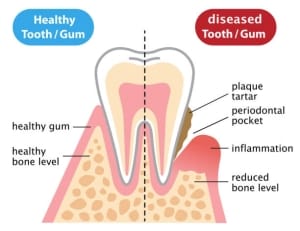
This is the most common reason we ask a patient to pause before proceeding with composite bonding. If you have any of the following:
- Untreated cavities or tooth decay
- Gum disease (gingivitis or periodontitis)
- Significant enamel erosion
- Heavy plaque or tartar build-up
Placing bonding material over or near these problems is asking for trouble. Decay beneath composite resin can advance undetected, and bonding applied to inflamed or receding gums simply won’t hold or look right.
What we’d recommend: A thorough dental health assessment first. Once decay is treated and gum health is restored, composite bonding becomes a far safer and more effective option. This isn’t a delay but it’s proper sequencing.
2. People with Severe Bite Problems or Misaligned Teeth
Composite bonding is a cosmetic treatment, not an orthodontic one. If your teeth are:
- Severely crowded or overlapping
- Protruding significantly
- Affected by malocclusion (the upper and lower teeth don’t come together properly)
Then bonding material is likely to bear forces it wasn’t designed to handle. When bonded surfaces become primary contact points during biting or chewing, they chip, fracture or dislodge far sooner than expected.
From clinical experience: We’ve seen patients who’ve had bonding done elsewhere without addressing bite alignment first, only to return with cracked resin within months. Getting the foundation right with orthodontic treatment such as Invisalign first makes composite bonding far more durable and worthwhile.
By Jasvinder Mall
Better suited alternative: Orthodontic treatment to correct alignment, followed by composite bonding once your bite is stable.
3. Individuals with Bruxism (Teeth Grinding or Clenching)
Bruxism is habitual grinding or clenching, most often during sleep and is one of the most underdiagnosed reasons for composite bonding failure. The forces generated during grinding can be extraordinary, sometimes equivalent to hundreds of kilograms of pressure per square centimetre.
Composite resin simply isn’t built to withstand that kind of sustained load. Patients with untreated bruxism commonly experience:
- Cracks or chips in the resin
- Bond failure at the tooth interface
- Accelerated wear across the entire bonded surface
- Gum irritation from shifting resin edges
What to do first: Speak with our team about a custom-fitted night guard. Protecting your natural teeth and any existing dental work from grinding forces is essential before investing in any cosmetic treatment. Once bruxism is managed, composite bonding is far more likely to succeed and last.
4. Smoking, Staining & Composite Bonding: What Patients Should Know
Composite resin is more porous than porcelain, which means it’s more susceptible to staining from everyday substances. If you regularly consume:
- Cigarettes or tobacco (the most significant staining risk)
- Coffee or tea
- Red wine
- Cola or dark soft drinks
- Highly pigmented sauces (e.g. turmeric, tomato)
You may find your bonding discolours faster than your natural teeth, creating an uneven appearance that’s difficult to correct with polishing alone.
This doesn’t automatically disqualify you from composite bonding, but it does require an honest conversation. If you’re committed to cutting back on these habits and maintaining excellent oral hygiene, bonding can still work well. If those habits are deeply ingrained, porcelain veneers, which are far more stain-resistant may be a better investment.
5. Patients with Unrealistic Cosmetic Expectations
Composite bonding is remarkable for what it is, but it does have limits. It’s not the right treatment if you’re hoping for:
- A dramatic shade change, particularly from heavily stained or darkened teeth to a bright white
- Significant structural reshaping beyond the surface
- A complete “smile makeover” outcome without any other supporting treatments
We raise this not to discourage anyone, but because we see real disappointment when expectations and reality don’t align. A patient who expects Hollywood-white results from bonding alone without whitening, orthodontics or veneers will almost certainly feel let down.
What actually works: In many cases, the best outcomes come from a phased treatment plan, teeth whitening first, followed by composite bonding to match the new shade, perhaps with Invisalign for alignment. A combined approach, discussed openly at a consultation, will always serve you better than rushing to one solution.
6. Those Seeking a Permanent, Maintenance-Free Solution
Composite bonding typically lasts between three and seven years, depending on your diet, oral hygiene and habits. It can chip, stain over time, and will need touch-ups or replacement at some point. It is not a “fit and forget” treatment.
If your priority is maximum durability and minimal maintenance, you need to know this upfront. Some patients are perfectly happy with the lifespan of composite bonding – especially given its lower cost and non-invasive nature. Others, particularly those who’ve had veneers or crowns explained to them, prefer to invest more upfront for a longer-lasting result.
There’s no wrong answer here. It simply depends on your budget, lifestyle and goals. What matters is that you go in with clear expectations.
Dentist Insight
“In our experience, the best composite bonding cases are usually patients with healthy teeth, good oral hygiene and minor cosmetic concerns such as small chips, gaps or uneven edges. A strong foundation almost always leads to a more natural-looking and longer-lasting result”
By Dr Anika Arshad, GDC: 80199
What Are Your Options If Composite Bonding Isn’t Right for You?
Not being suitable for composite bonding right now does not mean you cannot improve your smile. In many cases, another treatment or combination of treatments may actually give you a better and longer-lasting result.
For patients with crowding or bite issues, Invisalign may be recommended first to create a healthier foundation before cosmetic work begins. If staining is the main concern, professional teeth whitening can often make a significant difference on its own. Patients looking for a more durable or stain-resistant solution may be better suited to porcelain veneers, while heavily damaged teeth may require crowns for additional strength and protection.
Sometimes the best cosmetic results come from taking a phased approach rather than rushing into a single treatment.
The Bottom Line: It’s About Suitability, Not Rejection
When a dentist tells you that composite bonding isn’t suitable right now, it’s not a closed door. It’s clinical honesty, the kind that protects you from wasted money, unnecessary disappointment, and potential damage to your oral health.
At Manor House Dental, our approach has always been to treat the whole picture: your current oral health, your habits, your aesthetic goals, and the treatments most likely to give you a result you’ll still be happy with in five years’ time.
If you’re wondering whether composite bonding is right for you or what the right path forward actually looks like – the best first step is a proper consultation with our Birmingham dental team. We’ll give you a clear, honest answer.
Ready to find out if composite bonding is right for you?
Book a consultation with Manor House Dental, your trusted provider of composite bonding in Birmingham. We’ll assess your oral health, discuss your goals, and recommend a treatment plan built around what will actually work for you.